
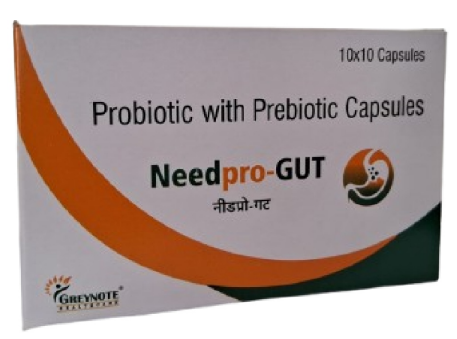
NEEDPRO GUT TAB
₹241.00₹269.00
Summary Table: Prebiotics vs. ProbioticsFor most people, combining prebiotics and probiotics can be beneficial for digestive and general health, but food sources are preferable when possible, and supplement quality can vary.
Description
NEEDPRO GUT
rebiotic and probiotic supplements are designed to support gut health by providing both beneficial live bacteria (probiotics) and the substances (prebiotics) that feed and sustain them.What Are Prebiotics and Probiotics?Probiotics are live microorganisms (most commonly bacteria or yeast) that can aid digestion and promote healthier gut flora. These beneficial microbes are naturally found in fermented foods such as yogurt, kefir, sauerkraut, and kimchi, and are widely available as supplements in capsule, gummy, or powder form.Prebiotics, on the other hand, are fibers or carbohydrates that the body cannot digest but which provide essential nutrition to the beneficial bacteria in the gut. Sources of prebiotics include high-fiber foods such as whole grains, vegetables like asparagus, onions, garlic, and certain legumes.Benefits of Combination SupplementsSupplements that combine both prebiotics and probiotics—often called synbiotics—may be more effective because prebiotics help the probiotics flourish and provide greater overall support for the gut microbiome. These blends are claimed to:Relieve digestive issues (bloating, constipation, diarrhea)Support immune function and potentially mental healthEncourage nutrient absorption and overall wellness.Effectiveness and SafetyMany people use these supplements for digestive balance, especially after illness or antibiotic use, but clinical evidence for broad health benefits is still evolving, and not all claims are scientifically proven. Most adults without preexisting conditions can safely add foods or supplements with prebiotics and probiotics to their diet. However, supplements are not strictly regulated by authorities like the FDA, which means quality and content can vary. Consulting a healthcare professional before starting these is advisable, particularly for those with health concerns or immune issues.Dietary Sources vs. SupplementsExperts generally recommend obtaining prebiotics and probiotics from food sources whenever possible:Probiotic-rich foods include yogurt (with live cultures), kefir, and fermented vegetables.Prebiotic sources are fiber-rich foods such as whole grains, beans, onions, leeks, and bananas.Supplements can be convenient, but they are not a substitute for a balanced diet rich in natural sources of fiber and beneficial bacteria.Summary Table: Prebiotics vs. ProbioticsFor most people, combining prebiotics and probiotics can be beneficial for digestive and general health, but food sources are preferable when possible, and supplement quality can vary.
Only logged in customers who have purchased this product may leave a review.
Quick Comparison
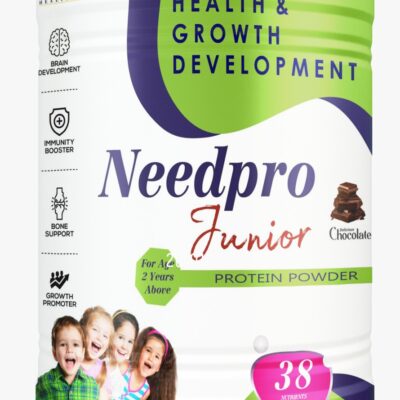
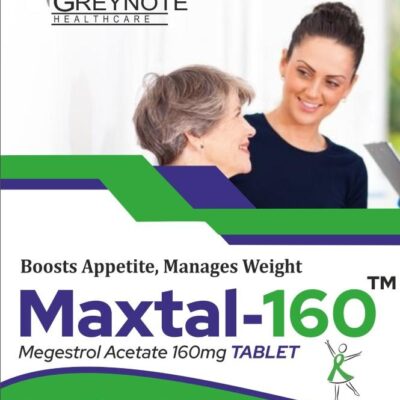
| Settings | NEEDPRO GUT TAB remove | NEEDCAL SYRUP 200ML remove | NEEDPRO FIBER remove | NEEDPRO JUNIOR 400GM remove | MAXTAL 160 TAB remove | COLLAFAST POWDER 200GM remove |
|---|---|---|---|---|---|---|
| Name | NEEDPRO GUT TAB remove | NEEDCAL SYRUP 200ML remove | NEEDPRO FIBER remove | NEEDPRO JUNIOR 400GM remove | MAXTAL 160 TAB remove | COLLAFAST POWDER 200GM remove |
| Image | |  | 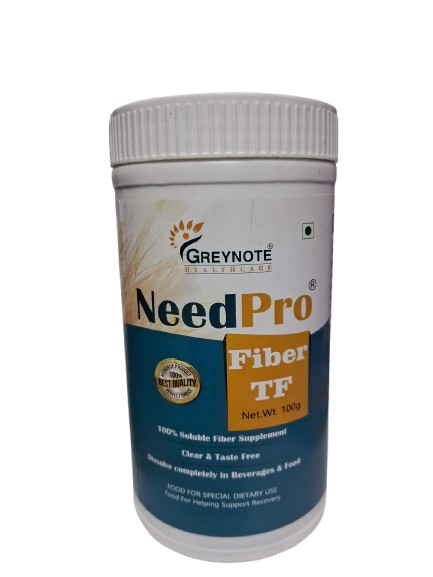 |  | 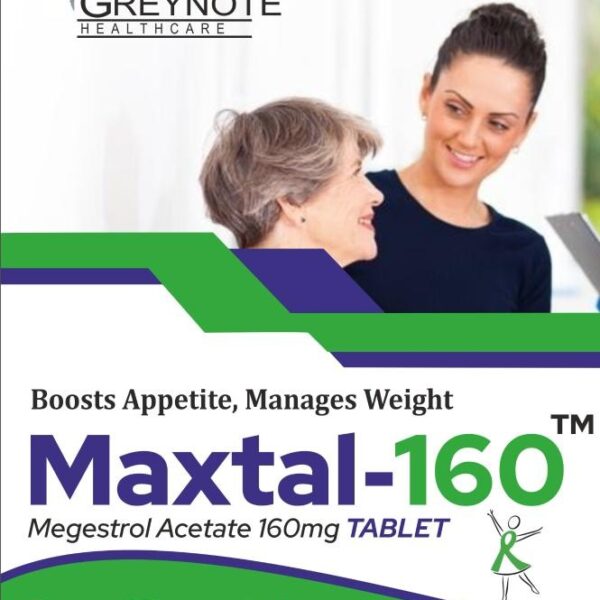 |  |
| SKU | ||||||
| Rating | ||||||
| Price | ₹241.00 | ₹134.00 | ₹719.00 | ₹567.00 | ₹850.00 | ₹719.00 |
| Stock | ||||||
| Availability | ||||||
| Add to cart | ||||||
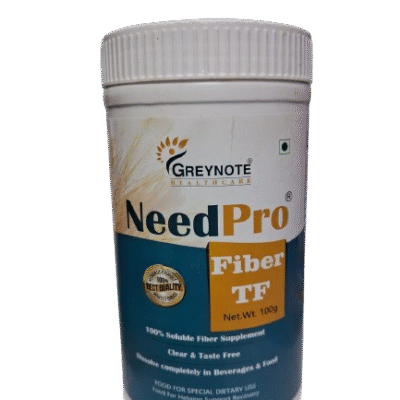
| Description | Summary Table: Prebiotics vs. ProbioticsFor most people, combining prebiotics and probiotics can be beneficial for digestive and general health, but food sources are preferable when possible, and supplement quality can vary. | Wheat fiber is predominantly found in whole-grain wheat and offers notable nutritional benefits, mainly through its role as insoluble dietary fiber, aiding digestion and supporting gut health���. Whole wheat contains approximately 10.7–15 grams of fiber per 100 grams, with fiber accounting for 12–15% of the dry weigh. | Collafast powder Marine collagen is generally considered better for beauty-related goals such as improving skin, hair, and nails due to its richness in Type I collagen and higher bioavailability leading to faster absorption and effects. It also has notable antioxidative and structural benefits for bone density. | |||
| Content | NEEDPRO GUT rebiotic and probiotic supplements are designed to support gut health by providing both beneficial live bacteria (probiotics) and the substances (prebiotics) that feed and sustain them.What Are Prebiotics and Probiotics?Probiotics are live microorganisms (most commonly bacteria or yeast) that can aid digestion and promote healthier gut flora. These beneficial microbes are naturally found in fermented foods such as yogurt, kefir, sauerkraut, and kimchi, and are widely available as supplements in capsule, gummy, or powder form.Prebiotics, on the other hand, are fibers or carbohydrates that the body cannot digest but which provide essential nutrition to the beneficial bacteria in the gut. Sources of prebiotics include high-fiber foods such as whole grains, vegetables like asparagus, onions, garlic, and certain legumes.Benefits of Combination SupplementsSupplements that combine both prebiotics and probiotics—often called synbiotics—may be more effective because prebiotics help the probiotics flourish and provide greater overall support for the gut microbiome. These blends are claimed to:Relieve digestive issues (bloating, constipation, diarrhea)Support immune function and potentially mental healthEncourage nutrient absorption and overall wellness.Effectiveness and SafetyMany people use these supplements for digestive balance, especially after illness or antibiotic use, but clinical evidence for broad health benefits is still evolving, and not all claims are scientifically proven. Most adults without preexisting conditions can safely add foods or supplements with prebiotics and probiotics to their diet. However, supplements are not strictly regulated by authorities like the FDA, which means quality and content can vary. Consulting a healthcare professional before starting these is advisable, particularly for those with health concerns or immune issues.Dietary Sources vs. SupplementsExperts generally recommend obtaining prebiotics and probiotics from food sources whenever possible:Probiotic-rich foods include yogurt (with live cultures), kefir, and fermented vegetables.Prebiotic sources are fiber-rich foods such as whole grains, beans, onions, leeks, and bananas.Supplements can be convenient, but they are not a substitute for a balanced diet rich in natural sources of fiber and beneficial bacteria.Summary Table: Prebiotics vs. ProbioticsFor most people, combining prebiotics and probiotics can be beneficial for digestive and general health, but food sources are preferable when possible, and supplement quality can vary. | Wheat fiber is predominantly found in whole-grain wheat and offers notable nutritional benefits, mainly through its role as insoluble dietary fiber, aiding digestion and supporting gut health���. Whole wheat contains approximately 10.7–15 grams of fiber per 100 grams, with fiber accounting for 12–15% of the dry weight���.Types of Wheat FiberThe majority of wheat fiber is insoluble, mainly present as arabinoxylan (about 70%) and cellulose, with small amounts of soluble fibers (fructans)��.Insoluble fiber passes through the digestive tract largely unchanged, bulking stool and promoting regular bowel movements, while a portion can act as prebiotics and feed beneficial gut bacteria���.Nutritional ProfileFor 100 grams of whole-grain wheat flour: about 10.7–14.6 grams of dietary fiber, 13.2 grams of protein, 72 grams of carbohydrates, and 2.5 grams of fat��.Most of the fiber is lost if the flour is refined and the bran removed�.Health BenefitsWheat fiber may lower the risk of colon cancer, type 2 diabetes, and stroke by improving gut health, slowing glucose absorption, and offering antioxidative effects��.Magnesium and other micronutrients in whole wheat assist in carbohydrate metabolism and insulin sensitivity� | MAXTAL 160 MG TABLETMAXTAL 160MG tablet is used in the palliative treatment of advanced breast cancer and endometrial cancer (cancer that arose from the lining of the uterus). It is also used in the treatment of weight loss and low appetite in patients with acquired immunodeficiency syndrome (AIDS). This medicine works by altering the production of those hormones in the body that are essential for the growth and spread of breast cancer. However, the uses mentioned are not exhaustive, there may be other conditions for which the medication may be used upon your doctor s discretion.Mechanism of Action of DrugsMAXTAL acetate is a progestin (female hormone), that works in patients with breast cancer and endometrial cancer by affecting female hormones involving in cancer growth. It also increases appetite causing weight gain. Effective Treatment for Appetite Loss MAXTAL 160 MG TABLET is expertly formulated for patients experiencing decreased appetite or significant weight loss due to cancer or AIDS. With its proven active ingredient, MEGESTROL Acetate, this medication helps stimulate appetite, supporting improved nutrition and well-being. Optimal Storage and Longevity To maintain the potency and safety of MEGESTROL ACETATE 160 MG TABLET, it should be stored below 25C, away from direct light and moisture. Its 24-month shelf life allows for confident, long-term availability in clinical or pharmacy settings. | Collafast powder Marine collagen is a type of collagen sourced primarily from the skin, bones, and scales of fish and other marine organisms. It is increasingly popular in supplements and cosmetics due to its high bioavailability, meaning it is absorbed more efficiently by the body compared to collagen from land animals such as cows and pigs���.Key PropertiesMarine collagen is composed almost entirely of type I collagen, which is the most abundant collagen type in the human body and is essential for the structural integrity of skin, tendons, ligaments, and cartilage��.Its molecular size is smaller, facilitating easier absorption and better utilization by human tissues�.Health BenefitsMarine collagen has shown benefits in delaying signs of aging such as wrinkles, enhancing skin elasticity, and supporting hydration and strength���.It promotes wound healing and faster skin re-epithelialization and is used for bone regeneration, potentially aiding the prevention and treatment of osteoporosis and osteoarthritis�.Supplementing with marine collagen may also support nail, hair, and joint health��.People choose marine collagen over bovine or porcine sources for religious reasons and to minimize the risk of diseases associated with land animal collagen, such as mad cow disease��.Sustainability and SafetyMarine collagen is considered environmentally friendly because it utilizes byproducts that would otherwise be discarded by the fishing industry��.It presents fewer risks of animal-borne diseases and is free from the religious constraints affecting other sources of collagen��.LimitationsMarine collagen is less thermally stable than bovine collagen, which may affect its processing and storage�.Most research has been in animal and laboratory studies; more human clinical trials are needed to confirm long-term benefits and identify any potential side effects��.Common UsesAvailable in powders, capsules, and liquids—recommended dose for skin health typically ranges from 5-10g per serving�.Used in skin creams, drink mixes, and as an ingredient for wound healing and bone health products���.In summary, marine collagen is a versatile and sustainable supplement known for its high absorption rate and potential benefits for skin, bone, and joint health, with emerging research supporting its safety and efficacy���. | ||
| Weight | N/A | N/A | N/A | N/A | N/A | N/A |
| Dimensions | N/A | N/A | N/A | N/A | N/A | N/A |
| Additional information |







Reviews
There are no reviews yet.