

Description
Clindamycin 300 mg is an antibiotic used for certain bacterial infections, especially skin, soft tissue, dental, bone, lung, and some anaerobic infections. It is usually taken only when prescribed by a doctor, and the exact dose depends on the infection and severity.
Common adult dose
Mild to moderate infections: 150 to 300 mg every 6 hours.
More severe infections: 300 to 450 mg every 6 hours.
Important points
It can be taken with or without food.
Swallow the capsule whole; do not chew or crush it.
Do not use it if you are allergic to clindamycin or lincomycin.
Common side effects include diarrhoea, stomach pain, nausea, vomiting, and rash.
Caution
Clindamycin can sometimes cause serious antibiotic-associated diarrhoea, so any severe or persistent diarrhoea should be taken seriously.
Only logged in customers who have purchased this product may leave a review.
Quick Comparison
| Settings | NEDCIN 300 CAPSULSE remove | DYSER-D remove | COGNED Q10 TAB remove | COLLAFIRST C2 remove | PEGANED TAB remove |
|---|---|---|---|---|---|
| Name | NEDCIN 300 CAPSULSE remove | DYSER-D remove | COGNED Q10 TAB remove | COLLAFIRST C2 remove | PEGANED TAB remove |
| Image | | 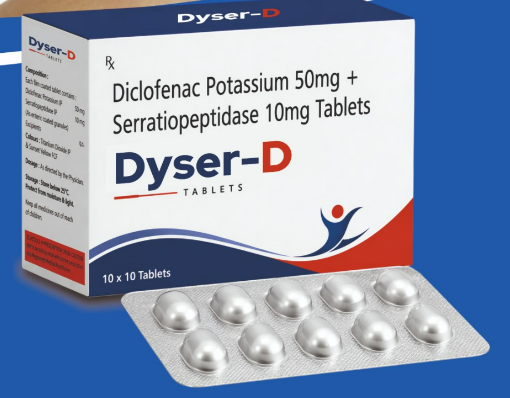 |  | 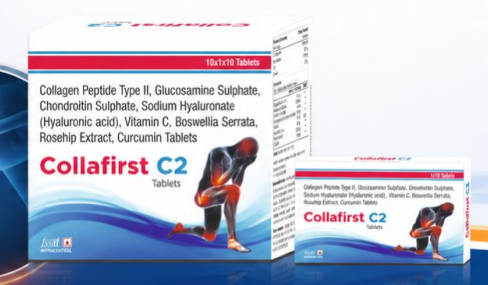 |  |
| SKU | |||||
| Rating | |||||
| Price | ₹350.00 | ₹165.00 | ₹260.00 | ₹450.00 | ₹250.00 |
| Stock | |||||
| Availability | |||||
| Add to cart | |||||
| Description | |||||
| Content | Clindamycin 300 mg is an antibiotic used for certain bacterial infections, especially skin, soft tissue, dental, bone, lung, and some anaerobic infections. It is usually taken only when prescribed by a doctor, and the exact dose depends on the infection and severity. Common adult dose Mild to moderate infections: 150 to 300 mg every 6 hours. More severe infections: 300 to 450 mg every 6 hours. Important points It can be taken with or without food. Swallow the capsule whole; do not chew or crush it. Do not use it if you are allergic to clindamycin or lincomycin. Common side effects include diarrhoea, stomach pain, nausea, vomiting, and rash. Caution Clindamycin can sometimes cause serious antibiotic-associated diarrhoea, so any severe or persistent diarrhoea should be taken seriously. | DYSER - D Diclofenac potassium 50 mg with serratiopeptidase 10 mg is a combination medicine used for pain, inflammation, and swelling in conditions like joint pain, muscle injuries, sprains, dental pain, and post-surgical pain . What it does Diclofenac potassium is a painkiller and anti-inflammatory medicine that helps reduce pain and redness from inflammation . Serratiopeptidase is an enzyme that may help reduce swelling by breaking down inflammatory proteins and fluid buildup at the affected site . Common side effects Common side effects of diclofenac-based medicines include nausea, vomiting, heartburn, stomach pain, constipation, diarrhea, dizziness, headache, and swelling . More serious risks can include stomach ulcers or bleeding, kidney problems, liver damage, allergic reactions, and worsening heart failure . Important cautions This combination should be taken only as prescribed, especially if you have a history of ulcers, kidney disease, liver disease, asthma, high blood pressure, bleeding problems, or heart disease . It can also interact with other medicines that increase bleeding risk, so a doctor or pharmacist should review your other medicines first . Practical use It is generally meant for short-term relief rather than long-term self-medication, because diclofenac can irritate the stomach and affect the kidneys if used improperly . Taking it with food may help reduce stomach upset, but the exact timing and dose should follow the prescription label . If you want, I can also explain the usual dose, how to take it safely, or whether it is suitable for tooth pain/back pain. | Coenzyme Q10, or CoQ10, is a vitamin-like antioxidant that your body makes naturally and uses to help cells produce energy. It is also available as a supplement, and the strongest evidence for benefit is in rare CoQ10 deficiency, some mitochondrial disorders, and possibly certain heart-related uses and migraine prevention. What it does CoQ10 helps with mitochondrial energy production and also acts as an antioxidant, helping protect cells from oxidative damage. It is found throughout the body, especially in energy-demanding organs like the heart, liver, and kidneys. Possible uses Research suggests CoQ10 may help with: Heart failure symptoms, though results are mixed. Migraine prevention. Statin-associated muscle symptoms in some people, because statins can lower CoQ10 levels. Rare CoQ10 deficiency and some mitochondrial myopathies. Side effects and safety CoQ10 is generally considered safe and is usually well tolerated, with few side effects and low interaction potential. Common issues, when they occur, are usually mild digestive symptoms. Practical note A common supplement form is ubiquinone or ubiquinol, and it is often sold in doses like 100 mg or 200 mg. Whether it is worth taking depends on the reason you want it, since benefits are not equally strong for every condition. Would you like a focused answer on uses, dosage, side effects, or brand comparison? | Pregabalin 75 mg + Nortriptyline HCl 10 mg + Methylcobalamin 1500 mcg is a combination medicine used mainly for neuropathic pain and related nerve damage pain, such as diabetic neuropathy, post-herpetic neuralgia, sciatica, and similar chronic nerve pain conditions . What each ingredient does Pregabalin helps calm overactive nerve signals and reduces pain transmission . Nortriptyline is a tricyclic antidepressant that also helps relieve nerve pain by affecting serotonin and norepinephrine pathways . Methylcobalamin is an active form of vitamin B12 that supports nerve repair and myelin health . Common practical points This combination is usually taken only under a doctor’s prescription because it can cause sleepiness, dizziness, dry mouth, and other side effects, especially from pregabalin and nortriptyline . It is often used when simple painkillers do not work well for nerve pain Important caution Do not start, stop, or change the dose on your own, because nortriptyline and pregabalin both need careful dose adjustment and can interact with other medicines. If you want, I can also give you the uses, | |
| Weight | N/A | N/A | N/A | N/A | N/A |
| Dimensions | N/A | N/A | N/A | N/A | N/A |
| Additional information |








Reviews
There are no reviews yet.