
-10%
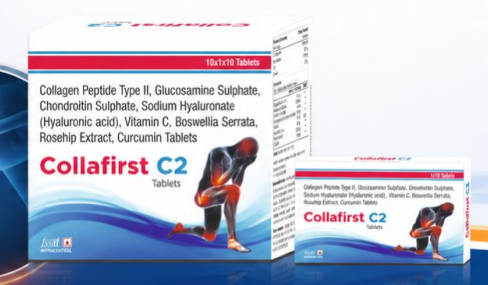
Only logged in customers who have purchased this product may leave a review.
Quick Comparison
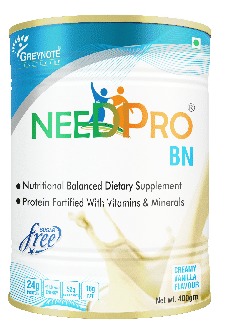
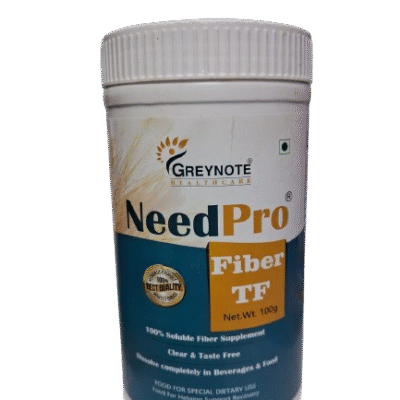
| Settings | COLLAFIRST C2 remove | NEEDPRO FIBER 200GM remove | PEGANED TAB remove | NEEDPRO MOM CH/VANILLA 400GM remove | NEEDPRO NEORU 400GM remove | GLUASTAR AL 10*10 BOX remove |
|---|---|---|---|---|---|---|
| Name | COLLAFIRST C2 remove | NEEDPRO FIBER 200GM remove | PEGANED TAB remove | NEEDPRO MOM CH/VANILLA 400GM remove | NEEDPRO NEORU 400GM remove | GLUASTAR AL 10*10 BOX remove |
| Image | | 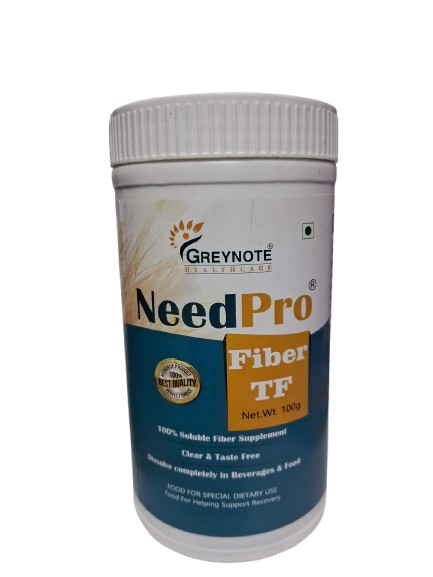 | 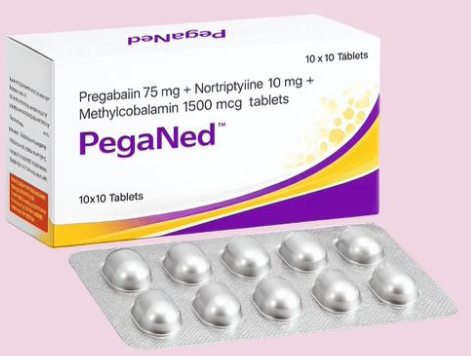 |  | 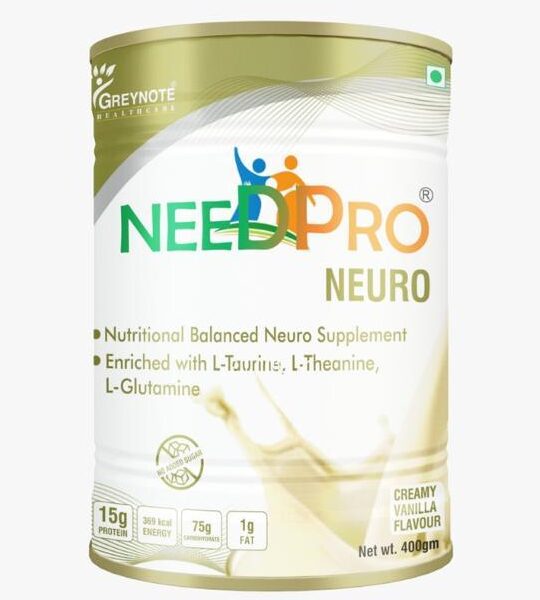 | 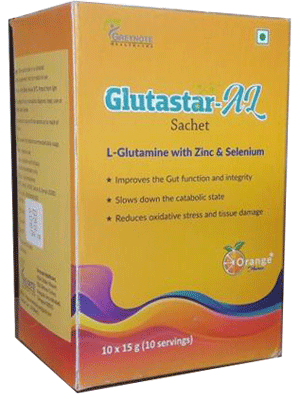 |
| SKU | ||||||
| Rating | ||||||
| Price | ₹450.00 | ₹750.00 | ₹250.00 | ₹628.00 | ₹1,035.00 | ₹1,260.00 |
| Stock | ||||||
| Availability | ||||||
| Add to cart | ||||||
| Description | ||||||
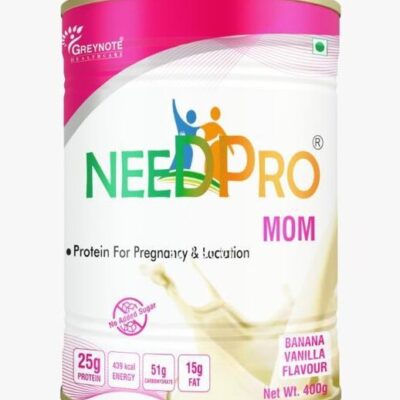
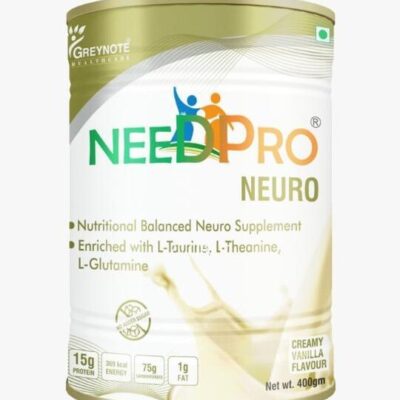
| Content | Wheat fiber is predominantly found in whole-grain wheat and offers notable nutritional benefits, mainly through its role as insoluble dietary fiber, aiding digestion and supporting gut health���. Whole wheat contains approximately 10.7–15 grams of fiber per 100 grams, with fiber accounting for 12–15% of the dry weight���.Types of Wheat FiberThe majority of wheat fiber is insoluble, mainly present as arabinoxylan (about 70%) and cellulose, with small amounts of soluble fibers (fructans)��.Insoluble fiber passes through the digestive tract largely unchanged, bulking stool and promoting regular bowel movements, while a portion can act as prebiotics and feed beneficial gut bacteria���.Nutritional ProfileFor 100 grams of whole-grain wheat flour: about 10.7–14.6 grams of dietary fiber, 13.2 grams of protein, 72 grams of carbohydrates, and 2.5 grams of fat��.Most of the fiber is lost if the flour is refined and the bran removed�.Health BenefitsWheat fiber may lower the risk of colon cancer, type 2 diabetes, and stroke by improving gut health, slowing glucose absorption, and offering antioxidative effects��.Magnesium and other micronutrients in whole wheat assist in carbohydrate metabolism and insulin sensitivity� | Pregabalin 75 mg + Nortriptyline HCl 10 mg + Methylcobalamin 1500 mcg is a combination medicine used mainly for neuropathic pain and related nerve damage pain, such as diabetic neuropathy, post-herpetic neuralgia, sciatica, and similar chronic nerve pain conditions . What each ingredient does Pregabalin helps calm overactive nerve signals and reduces pain transmission . Nortriptyline is a tricyclic antidepressant that also helps relieve nerve pain by affecting serotonin and norepinephrine pathways . Methylcobalamin is an active form of vitamin B12 that supports nerve repair and myelin health . Common practical points This combination is usually taken only under a doctor’s prescription because it can cause sleepiness, dizziness, dry mouth, and other side effects, especially from pregabalin and nortriptyline . It is often used when simple painkillers do not work well for nerve pain Important caution Do not start, stop, or change the dose on your own, because nortriptyline and pregabalin both need careful dose adjustment and can interact with other medicines. If you want, I can also give you the uses, | NEEDPRO MOM Chocolate / Vanilla Flavor Powder provides high-standard nutrition for pregnant and lactating women. It is formulated to support the nutritional well-being of women. It provides energy from high-quality proteins and carbohydrates. Comprising healthy dietary fiber and docosahexaenoic acid (DHA), NEEDPRO Mom is also packed with the goodness of micronutrients that enhance energy, support bone vitality and immunity. NEEDPRO Mom MANGO/VANILA FLAVOR Powder contains 31 vital nutrients including essential mixed carbohydrates, dietary fiber, high-quality proteins and DHA. Together, these ingredients provide the right nutrition to maintain the overall health of women with heightened nutritional requirements. NEEDPRO Mom is a powerhouse of nutrients. FOS acts as a source of fiber and as a periodic to maintain a healthy digestive system. Contains high-quality proteins (milk protein–skimmed milk powder (casein protein 70%) and whey protein (30%)), it aids digestibility and high biological value. It also contains DHA, which is well-known for brain function support. NEEDPRO Mom is free from trans-fatty acids. Fructose Based, Safe For Diabetics Ideal for Oral and tube feed. | NEEDPRO NEURO provide adequate energy and protein requirement,provides monounsaturated fats and polyphenols, Omega 3 fatty acid ,vitamins D ,E & folate , prent brain atrophy & improve cardiometabolic health, centella Asiatica extract Brain tonic for fatigue, anxiety, depression psychiatric disorders, Alzheimer’s disease, Improving memory intelligence cognitive decline in stroke survivors, convolvulus pluricaulis extract control neurotoxicity level, improve memory, Rejuvenate the brain , its is helpful in insomnia & promotes good sleep Nardostachys jatamansi extract, | ||
| Weight | N/A | N/A | N/A | N/A | N/A | N/A |
| Dimensions | N/A | N/A | N/A | N/A | N/A | N/A |
| Additional information |






Reviews
There are no reviews yet.