Description
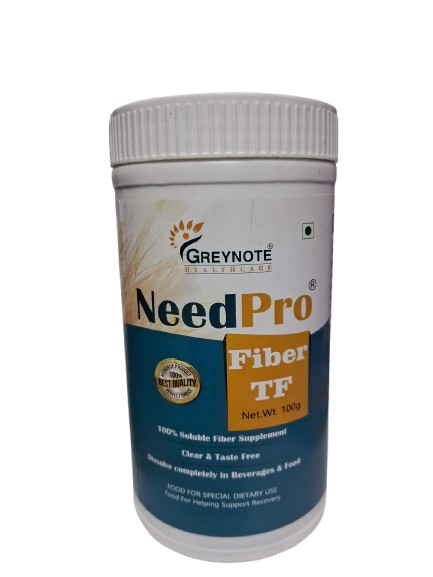
Wheat fiber is predominantly found in whole-grain wheat and offers notable nutritional benefits, mainly through its role as insoluble dietary fiber, aiding digestion and supporting gut health���. Whole wheat contains approximately 10.7–15 grams of fiber per 100 grams, with fiber accounting for 12–15% of the dry weight���.Types of Wheat FiberThe majority of wheat fiber is insoluble, mainly present as arabinoxylan (about 70%) and cellulose, with small amounts of soluble fibers (fructans)��.Insoluble fiber passes through the digestive tract largely unchanged, bulking stool and promoting regular bowel movements, while a portion can act as prebiotics and feed beneficial gut bacteria���.Nutritional ProfileFor 100 grams of whole-grain wheat flour: about 10.7–14.6 grams of dietary fiber, 13.2 grams of protein, 72 grams of carbohydrates, and 2.5 grams of fat��.Most of the fiber is lost if the flour is refined and the bran removed�.Health BenefitsWheat fiber may lower the risk of colon cancer, type 2 diabetes, and stroke by improving gut health, slowing glucose absorption, and offering antioxidative effects��.Magnesium and other micronutrients in whole wheat assist in carbohydrate metabolism and insulin sensitivity�
Quick Comparison
| Settings | NEEDPRO FIBER 200GM remove | NEEDPRO BN 400GM remove | NEEDPRO HP 400GM remove | NEEDPRO RENAL 400GM remove | COLLAFIRST C2 remove | NEEDPRO JUNIOR 400GM remove |
|---|---|---|---|---|---|---|
| Name | NEEDPRO FIBER 200GM remove | NEEDPRO BN 400GM remove | NEEDPRO HP 400GM remove | NEEDPRO RENAL 400GM remove | COLLAFIRST C2 remove | NEEDPRO JUNIOR 400GM remove |
| Image | |  | 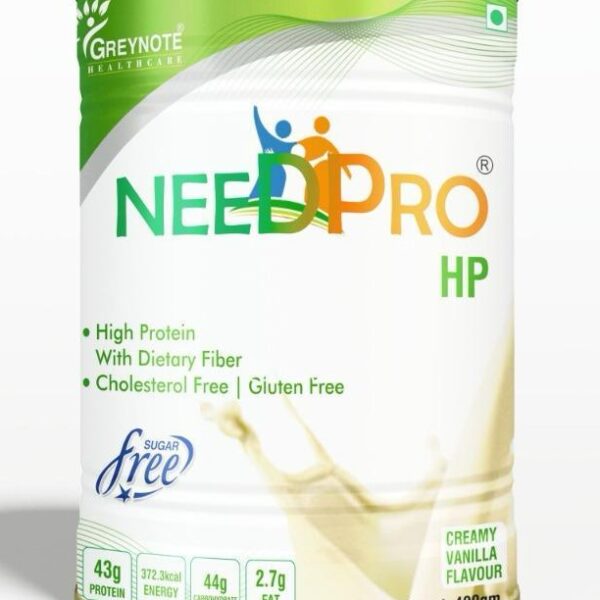 |  |  |  |
| SKU | ||||||
| Rating | ||||||
| Price | ₹750.00 | ₹628.00 | ₹953.00 | ₹863.00 | ₹450.00 | ₹567.00 |
| Stock | ||||||
| Availability | ||||||
| Add to cart | ||||||
| Description | ||||||
| Content | Wheat fiber is predominantly found in whole-grain wheat and offers notable nutritional benefits, mainly through its role as insoluble dietary fiber, aiding digestion and supporting gut health���. Whole wheat contains approximately 10.7–15 grams of fiber per 100 grams, with fiber accounting for 12–15% of the dry weight���.Types of Wheat FiberThe majority of wheat fiber is insoluble, mainly present as arabinoxylan (about 70%) and cellulose, with small amounts of soluble fibers (fructans)��.Insoluble fiber passes through the digestive tract largely unchanged, bulking stool and promoting regular bowel movements, while a portion can act as prebiotics and feed beneficial gut bacteria���.Nutritional ProfileFor 100 grams of whole-grain wheat flour: about 10.7–14.6 grams of dietary fiber, 13.2 grams of protein, 72 grams of carbohydrates, and 2.5 grams of fat��.Most of the fiber is lost if the flour is refined and the bran removed�.Health BenefitsWheat fiber may lower the risk of colon cancer, type 2 diabetes, and stroke by improving gut health, slowing glucose absorption, and offering antioxidative effects��.Magnesium and other micronutrients in whole wheat assist in carbohydrate metabolism and insulin sensitivity� | NEEDPRO BN is a polymeric formula that provides 1kcal/ml is balance nutrition of 5 elements protein carbohydrate, fats vitamins and minerals , provides protein in the from of high biological value whey protein with PDCAAS 1,(Protein Digestibility Corrected Amino Acid score 1*, carbohydrate in the form of SUCROSE for instant energy & protein sparing effect. Fat in the Omega 3 & 6 & fatty acids contains DHA for normal brain function . FOS to maintain gut integrity & increase immunity. Inulin for maintaining normal glucose level & better nutrient absorption. Ideal for oral and enteral feeding, free from lactose ,gluten, and cholesterol, is indicated for malnutrition, convalescence, critical illness, and involuntary weight loss in hospitalized patients to meet the energy requirements. available in delicious vanilla flavor and serving size is 50gm(4scoops) in 200 ml gives 227kcal. | NEEDPRO HP is a high protein formula for hyper catabolic (excessive breakdown of protein ) patients . 43% high quality whey protein which helps in preventing the nitrogen loss during illness. low GI carbohydrate ,which is safe for diabetic patients. omega 3 or 6 as a fat source . Alpha lipoic Acid ,which acts as an antioxidant. Needpro hp contains FOS & Fiber which helps in nutrient absorption & helps in maintaining triglyceride & cholesterol level. for hyper catabolic and high stress clinical conditions, Burns ,cancer, cachexia, Acute pancreatitis ,critical illness ,post surgery convalescence .Ideal for oral and tube feeding . available in delicious vanilla flavor,serving size is 25gm 2 scoops in 100ml water gives 102 kcal and 10.75 gm proteins . | NEEDPRO RENAL is a formula designed as per KDOQI guideline for nephropathy patients ,who are not on dialysis. provides 2kcal/ml, contains high quality whey protein in low amounts to reduce the workload of kidney. minimal fluid to avoid the workload of the kidney. low electrolytes to maintain the blood pH. The serving size of needpro renal is 25gm in 40ml of water ,which will give 120kcaland 2.25gm of protein .fat in the form of omega 3 fatty acid ,which has anti inflammatory effects. alpha lipoic acid , which acts as an antioxidant. acute kidney failure, chronic liver failure, and diabetic nephropathy patients . Ideal for oral & tube feed. free from lactose ,gluten, cholesterol. available in vanilla flavor. | ||
| Weight | N/A | N/A | N/A | N/A | N/A | N/A |
| Dimensions | N/A | N/A | N/A | N/A | N/A | N/A |
| Additional information |